
Muslims in the UK
social.group.members
🇬🇧🕌 A group for Muslims in UK, where we celebrate our faith and cultural diversity.
Any coconuts out there?!
I wanna know people who come strict muslim familes but aren't too faithful themselves, and how you guys are tackling this? How are you finding just living life and the dating scene?
Assalamu Alaikum, everyone. I'm writing this specifically to ask people born and raised here in the UK for their views.
First, I'd like to know what you make of the current situation regarding asylum seekers arriving in the UK, what do you feel are the main concerns or downsides?
Also, if you don't see significant downsides, could you explain why some people support their presence here, and what reasons they give for that support?
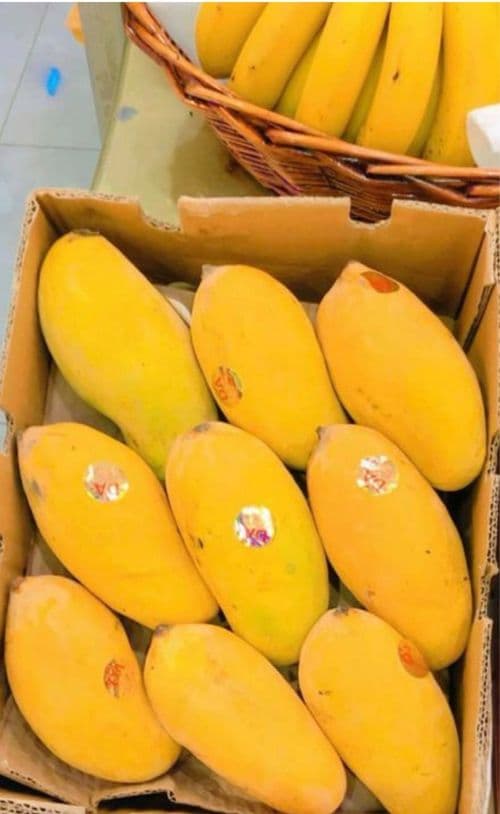
Pakistani Mangoes and Other Countries Known for Exceptional Mangoes
Mangoes are often called the “king of fruits” due to their rich flavour, natural sweetness, and cultural significance in many parts of the world. Different regions produce distinct varieties shaped by climate, soil, and tradition.
Pakistani Mangoes
Pakistan is widely known for producing some of the most fragrant and sweet mango varieties in the world. The warm climate and fertile plains, especially in Punjab and Sindh, create ideal growing conditions.
Popular varieties include
Sindhri – large, aromatic, and very sweet
Chaunsa – rich flavour, soft texture, highly prized internationally
Anwar Ratol – small, intensely sweet, and highly fragrant
Pakistani mangoes are often valued for their natural sweetness and strong aroma even when fully ripened off the tree.
India
India is one of the largest producers of mangoes globally and has hundreds of varieties with diverse flavours and textures.
Well-known types include
Alphonso (Hapus) – creamy, rich, and often considered premium
Kesar – sweet with a distinct saffron-like aroma
Dasheri – soft, juicy, and widely enjoyed
Indian mangoes vary significantly by region, offering everything from very sweet to slightly tangy profiles.
Thailand
Thailand is known for its unique mango culture, often pairing mango with sticky rice.
Common varieties
Nam Dok Mai – very sweet, floral, and smooth
Keo Savoy – firm and slightly less sweet, often eaten green or ripe
Thai mangoes are typically less fibrous and have a delicate sweetness.
Philippines
The Philippines produces one of the most famous mangoes in the world.
Carabao Mango – internationally recognised for its intense sweetness and smooth texture
It is often cited as one of the sweetest mango varieties globally.
Mexico
Mexico has a strong mango industry with widespread export varieties.
Common types include
Ataulfo (Honey Mango) – creamy, non-fibrous, very sweet
Haden – slightly tangy-sweet and aromatic
Mexican mangoes are widely exported, especially to North America and Europe.
Conclusion
Across the world, mango varieties reflect local climates and cultural preferences. Pakistan, India, Thailand, the Philippines, and Mexico are among the most notable producers, each offering unique textures, sweetness levels, and aromas. The diversity of mangoes shows how a single fruit can evolve into many distinct and beloved forms across different regions.
I knew a man who was always busy.
No proper meals. Little sleep. Constantly chasing the next opportunity. He'd come home late at night and leave again early in the morning.
Whenever someone asked why he worked so relentlessly, he'd reply:
"Allah has commanded us to strive for our provision."
A few years later, I noticed something had changed.
He was still running his business, but the restlessness was gone.
When the adhan was called, he would head to the masjid. He attended Islamic gatherings. He spent quality time with his family. He seemed calmer, more present, more at peace.
I assumed his business had become highly successful and could now run itself.
But when I asked, he said something unexpected:
"My business is actually smaller than before. If I used to earn 10, now I earn 8."
"The difference is that I now seek provision, not competition."
"I no longer feel the need to become like someone else. I no longer live chasing endless targets."
"I dedicate a fixed part of my day to earning my rizq, and I make the du'a taught by the Prophet ﷺ:"
"O Allah, make what is halal sufficient for me instead of what is haram, and make me independent of everyone besides You."
Then he added:
"Along with rizq, I asked Allah for something else: sakinah (inner peace)."
And Allah blessed him with both.
Sometimes the richest person is not the one who earns more, but the one whose heart has finally found contentment.
I am very upset, I am looking partner but I don't know why difficult to find right person I am fed up
. “Life is really simple, but we insist on making it complicated.”
Why Unconscious People Often React with Criticism or Undermining Behaviour
When people share ideas that involve self-awareness, emotional patterns, or personal reflection, it can sometimes trigger strong negative reactions in others. These reactions are not always rooted in the content itself, but in how the content interacts with the person’s inner state.
Individuals who are less self-reflective or uncomfortable with introspection may experience such ideas as threatening or accusatory, even when no judgment is intended. As a result, instead of engaging with the idea itself, they may respond with dismissal, criticism, or attempts to undermine the person sharing it.
This often happens because reflection requires a level of emotional honesty. When someone is not ready or willing to engage with that level of awareness, the natural response can be defensiveness. Defensiveness may then present itself as rejection of the idea, personal criticism, or shifting the focus onto the speaker rather than the message.
It is also important to recognise that not every reaction comes from malice. In many cases, people simply respond from their current level of understanding, emotional capacity, or lived experience. What feels like “attack” or “undermining” is often a mismatch between levels of awareness rather than intentional harm.
For this reason, not every response requires engagement. Discernment is needed in recognising when a reaction is about the idea itself, and when it is about the internal state of the person reacting.
The Illusion of Control in Modern Life
We live in a world where there is an increasing desire to control and define every aspect of human behaviour, identity, and expression. From how people should think and feel, to how they should act in relationships, society often promotes fixed expectations and constant evaluation of individuals.
This creates pressure for people to conform to external standards rather than develop inner clarity. Instead of focusing on sincerity, responsibility, and self-awareness, individuals are often shaped by comparison, judgement, and the need to meet shifting social expectations.
In reality, human beings are not meant to be fully controlled or reduced to rigid categories. Islam teaches that each person is entrusted with responsibility (amānah) and is accountable before Allah for their own choices, intentions, and actions. This shifts the focus from external control to internal accountability.
When life becomes dominated by attempts to control or define every aspect of people, it can lead to anxiety, confusion, and disconnection from one’s own sense of purpose. True stability comes not from external control, but from inner grounding — sincerity (ikhlas), awareness, and alignment with what is right.
Ultimately, the challenge is not to be shaped by the need for control, but to remain conscious, responsible, and anchored in principles that do not change with social pressu