Psychology & Neurodiversity
4,688,754 members
From human behaviour to neurodiverse perspectives, explore how we think, feel, and experience the world 🧠
@leena2506
Because of the research work I do for a humanitarian organization, a topic that will come up very often, is of course, grief.
A simple quote I came across actually turned out to have deeper meaning when I was doing the research, “Grief is love with nowhere to go”. As poetic as this sounds, there’s psychological and neurological truth to it. Losing a loved one causes the nervous system to be on high-alert, which can be seen in heightened activity from fMRI imaging of the amygdala (part of the brain responsible for survival instincts). Your attachment to the loved one that is now deceased has dramatically altered, which is why you’ll often here someone say something like “I feel like my entire world has been flipped upside down”.
So here are some practical, evidence-based, adaptive coping strategies and tips I can offer. You don’t have to mentally “sever” your attachment to the deceased in order to heal, you should try to reconstruct your attachment to them in a way that doesn’t require their physical presence. Spiritually, you can pray for them, make dua for them. You can also hold onto items of theirs that they loved, or items that remind you of them. Print a photograph of them and frame it, or visit places they used to love going to, like a park or a beach. Writing letters to them, with all the things you could never say, or even writing them updates on your life after they passed.
Hi
@Khadar30542610
Hi
@soroushpoirot624723
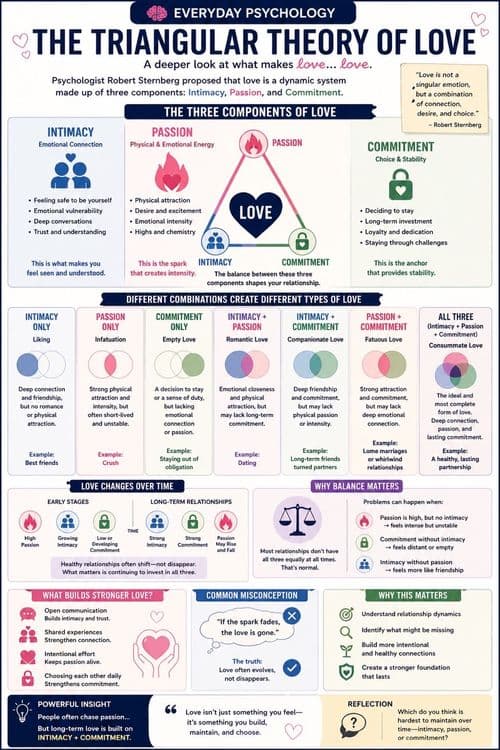
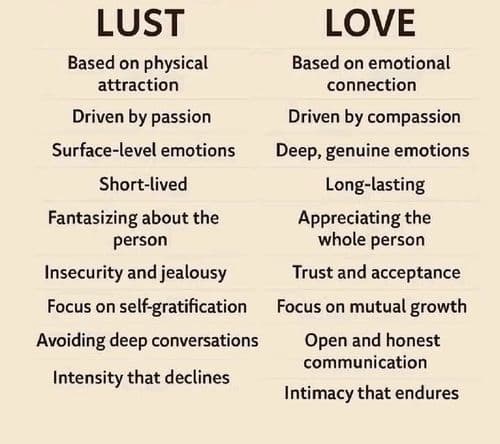
lust and isolation vs real consummate love and the marriage
@Sana977
You will see yourself glow when you'll finally be out of the repeated loop. Just get out of it.
@Jonas56147819
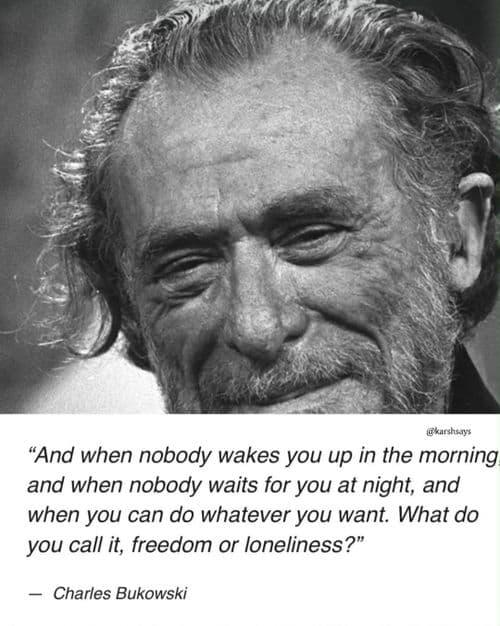
Loneliness? Freedom? What is it?
@mqasim108113
Do you know why people post " I'm new here ".?
I would say 99% answers will be wrong.🫵🙂
@sijj
One thing I have absolutely no patience for? Victim mentality.
Storytime: I was talking to someone recently who spent almost every conversation bringing up how a woman had broken his trust. He'd been getting to know her for a few months, and later found out she'd lied about her age and that she had a child.
I'm not defending what she did. I'd have walked away too. But somehow, the story stopped being about her and became about all women.
Apparently women lie. Women manipulate. Women can't be trusted. No one treats him right. Everyone ghosts him. And that means most women are evil.
And it's like... how did we get from one dishonest person to half the world's population?
This is the part I cannot stand.
Being hurt doesn't automatically make you a victim forever. At some point, you have to decide whether you're going to learn from the experience or keep using it to explain every disappointment that comes after.
We've all met terrible people. That doesn't mean everyone is terrible. We've all been let down. That doesn't mean the world owes us endless sympathy.
People experience betrayals that completely shatter their lives. They are cheated on by spouses. Financially ruined by family. Abused by people they trusted. Some survive things that leave lifelong scars. And you can't stop using a story about how a girl you knew for a few months lied to you?
I have empathy for people who've been hurt. I really do. I have come across just about every kind of pain a human experiences in their lifetime. But what I struggle with is people who become so attached to their pain that they stop seeing themselves as anything else but a victim.
@kff
I’ve been thinking about how often people talk about finding “the right person,” yet we rarely talk about becoming someone who can truly sustain a healthy relationship.
Love isn’t just about compatibility or chemistry. It’s about the ability to stay curious about another person’s inner world, especially when it’s different from your own. The strongest relationships I’ve witnessed weren’t built by two people who always understood each other. They were built by two people who refused to stop trying.
I think emotional intimacy begins where assumptions end. It grows when someone chooses to ask, “Help me understand what you’re feeling,” instead of deciding they already know. Being understood is comforting, but being genuinely sought to be understood is transformative.
Maybe that’s why emotional maturity feels so attractive. It isn’t perfection, emotional control, or never making mistakes. It’s having the humility to recognize that your perspective is incomplete, the courage to repair after you’ve caused hurt, and the patience to keep learning someone who will continue to evolve for the rest of their life.
Real connection isn’t found in the absence of conflict. It’s found in two people who care more about understanding than winning.
@Fari1khan
Forgiveness sets your soul free🌿🌿