Converts / Reverts
1,529,497 members
Alhamdulillah for new beginnings 🕋🤝 Whether you're new to Islam or seeking guidance, here we share experiences, offer resources, and foster a sense of belonging on your unique journey as a convert.
@SiddJ
Surah An-Nisa: Protecting Women's Rights in Marriage
Surah An-Nisa (Chapter 4 of the Qur'an) is one of the most important chapters for understanding women's rights, marriage, family responsibilities, justice and accountability before Allah.
The name An-Nisa means “The Women.” A central message of this Surah is that women must be treated with justice, dignity and fairness, and that marriage must not become a means of oppression, exploitation or the denial of their rights
In Islam, marriage is not simply a union between a husband and a wife. It is a serious commitment in which both spouses have rights and responsibilities, and both are accountable to Allah for how they treat one another.
- Women's dignity and equal accountability before Allah
Surah An-Nisa 4:1
Allah reminds humanity that all people originate from a single soul and calls upon them to be mindful of their Lord.
Meaning and lessons:
• Women and men share a common human origin and deserve dignity and respect.
• A woman's worth is not determined solely by her appearance, age, financial circumstances or ability to work.
• Marriage should be based on responsibility, compassion and respect, not on treating one spouse as inferior to the other.
• A husband must remember that his wife is a person entrusted to him, not someone over whom he has unlimited power.
Islamic marriage does not remove a woman's individual identity, dignity or accountability before Allah
- A woman's right to a marriage of her own consent
Surah An-Nisa 4:19
Allah instructs believers not to treat women against their will and commands husbands to live with their wives honourably.
What this means in practice:
• A woman must not be forced into marriage.
• Her wishes and consent matter when a marriage is being considered
• She must not be treated as property or as someone whose decisions can simply be overridden.
• A husband should treat his wife with kindness, fairness and consideration, including when disagreements arise.
Marriage arranged by parents or relatives can be acceptable when the necessary Islamic conditions are fulfilled, but arranging a marriage is not the same as forcing someone to accept it
The principle of honourable treatment also means that a husband should not use intimidation, humiliation, threats or emotional manipulation to control his wife.
- A woman's right to her mahr (marital gift)
Surah An-Nisa 4:4
Allah commands men to give women their saduqat (bridal gifts, commonly known as mahr) willingly.
What this means in marriage:
• The mahr belongs to the wife herself.
• It is her right, not a payment to her family.
• Her husband or his relatives must not unjustly take it away from her
• She may voluntarily relinquish some or all of it, but she must not be pressured into doing so.
The mahr is an important financial right within an Islamic marriage. It recognises that a wife has rights and interests of her own.
- Protection against financial exploitation
Surah An-Nisa 4:19–21
These verses prohibit wrongful treatment of women and condemn taking back what has been given to a wife unjustly, particularly when a marriage ends.
Verse 4:21 describes marriage as a mithaqan ghaliza — a solemn or weighty covenant.
Lessons for husbands and wives:
• Marriage must not be used to exploit a woman's wealth.
• A husband should not use financial pressure to force his wife to remain in an unhappy or harmful marriage.
• A woman's financial rights must be respected during marriage and when separation occurs.
• The ending of a marriage does not give either spouse permission to commit injustice against the other.
A wife's money and property are not automatically the husband's simply because they are married. Islamic financial obligations and rights must be respected
- A woman's right to kindness, respect and good companionship
Surah An-Nisa 4:19
Allah says, in meaning, that husbands should live with their wives in kindness and honour.
This is one of the most important principles for a successful Islamic marriage.
A husband should strive to be:
• Kind and patient: understanding that his wife may have different emotions, needs and perspectives.
• Respectful: speaking without insults, contempt or humiliation.
• Fair: not using his position as a husband to justify unreasonable demands.
• Trustworthy: keeping his commitments and acting honestly.
• Considerate: listening to his wife's concerns and taking them seriously.
• Peaceful in disagreement: seeking understanding rather than trying to win every argument.
Allah also reminds men in this verse that they may dislike something while Allah places much good within it. This encourages people not to judge a spouse solely by temporary frustrations or personal preferences.
Kindness does not mean that spouses will never disagree. It means that disagreement should not become an excuse for cruelty.
@elegantme318
Tonight’s Dưa
Ya Allah, Alhamdulillah for Your blessings, forgiveness, and unseen protection throughout
this day.
Ya Rabb, purify our hearts, forgive our sins, heal the sick, protect our loved ones, and bless us with good health, halal provision, and peaceful hearts.
As we sleep tonight, strengthen our faith, help us trust Your plans, protect us from harm, and let us wake up to good news, answered du'as, and countless reasons to be grateful.
Ya Allah, bless our lives in this dunya and make Jannatul Firdaus our eternal home.
Amen, Ya’Rabil’Alameen
@Victorj490

Rashid | Islamic Reels on Instagram: "It’s me against my people 🦸🏻♂️ #chinese #revert #islam #muslimmemes #instamuslim"
https://www.instagram.com/reel/DeKN2PONnCy/?xtok=NTc4MTIwNjQ2YQ==
@AbdoulMalik79545423
Islam has never left women to fend for themselves.
Islam has never abandoned women to themselves.
Never.
At every stage of her life, Allah has placed around her a protection, a responsibility, a presence.
When she is a child, it is her father who watches over her.
When she becomes a wife, it is her husband who takes care of her.
And when she grows old, it is her children who take over.
It is not a question of dependence,
it is proof of love, respect and rahmah (mercy) because in Islam, a woman is honored, she is entrusted, never left to herself.
"Men are in charge of women by [right of] what Allah has given one over the other and what they spend [for maintenance] from their wealth."
(Surah An-Nisa, verse 34)
This responsibility is a duty to fulfill: to protect, to provide, to reassure.
And the Prophet ﷺ said:
"The best of you is the one who is best to his wife."
(At-Tirmidhi)
Thus, woman was not created to bear the weight of life alone.
She can build, work, shine, but she deserves to be supported, helped, surrounded.
"And your Lord has decreed that you not worship except Him, and to parents, good treatment."
(Surah Al-Isra, verse 23)
And when sometimes, those who were supposed to protect her move away, when loneliness grips her tightly,
there remains Allah, Al-Wakil, the Best of Protectors.
"And Allah is the best of guardians, and He is the most merciful of the merciful."
(Surah Yusuf, verse 64)
So, dear sister, even if the world lets you down, know that your Lord never forgets you.
Under His protection, you are safe.
Under His mercy, you are honored.

@ahmed977332
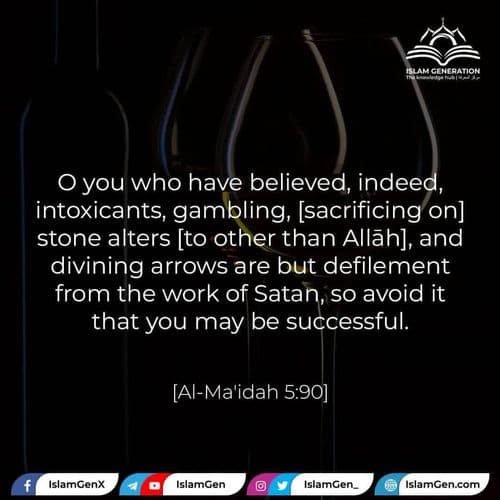
Fear Allah ya Akhi...
@ahmed977332
Asalam alaikum warahmatullah my fellow Muslims, how are you all doing
@saidahbest7104
Since I have failed to find a Muslim born man I'm now searching for a revert
@Abdul64726916
Asalaamwalaikum I may not be as handsome as the men on here at Muzz, actually im not handsome at all, however I have a soft heart and will give my wife an abundant., peaceful and happy life. And if no woman finds me attractive because of the way I look, that's ok, I'm not everyone's tast. I except Allah's decree.