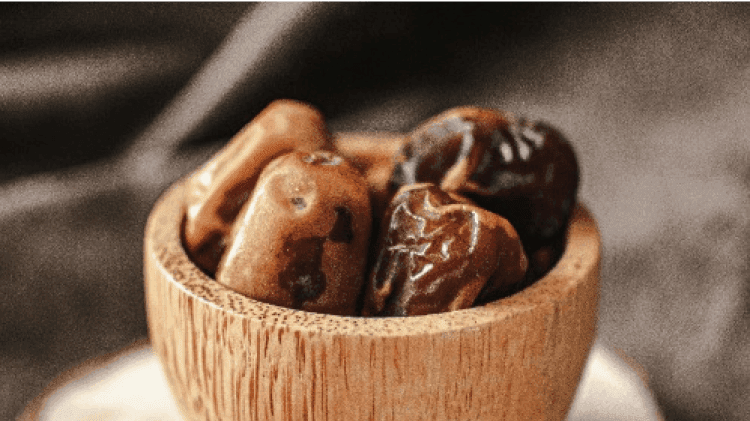
Ramadan
13,167,470 members
Inshallah you'll find lots of inspiration and spiritual reminders to get you through the holy month and make the most out of all that it brings
@imfarhankhan
Someone reading this is about to receive $67K so suddenly they’ll know it was God. That someone is you.
@SanaVirsa
𝗛𝗮𝗽𝗽𝘆 𝗯𝗶𝗿𝘁𝗵𝗱𝗮𝘆 𝘁𝗼 𝗺𝗲 🎉🥳
Finally, today is the silver jubilee of my life! 🥹
Some people have this hidden judgment wrapped in surprise like, "What is this childishness?" But I am genuinely excited! This birthday is completely different from all the rest ..... just like every birthday is uniquely its own. 😁
By the way, if I live to see my 50th birthday, that's going to be incredibly special too. Not just because it'll mark the golden jubilee of my life but because people's reactions will be even more priceless "an absolute 50 year old woman celebrating her birthday"🤣
I am so incredibly grateful. Alhamdulillah Allah made me human He could have created me as anything else. He made me a woman blessed me with intellect and gave me a heart to feel things.
we can never survive by playing the victim starved miserable or defeated. So why waste energy? Might as well live life to the absolute fullest! ✨
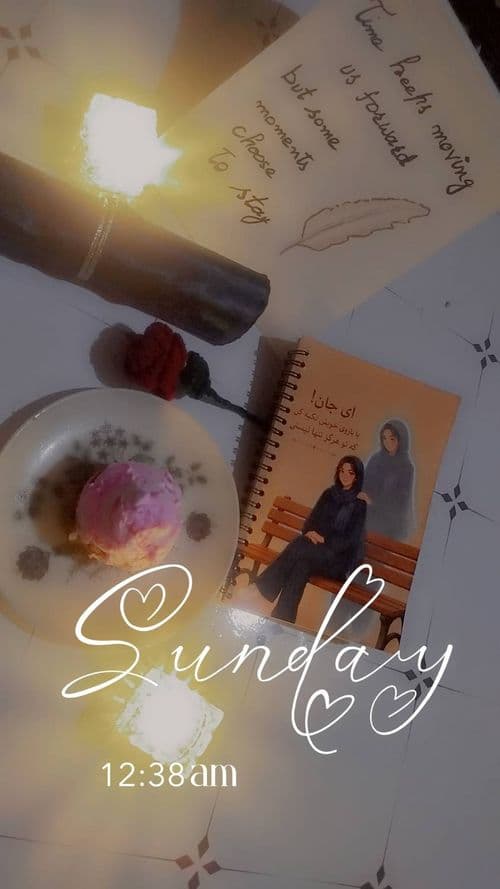
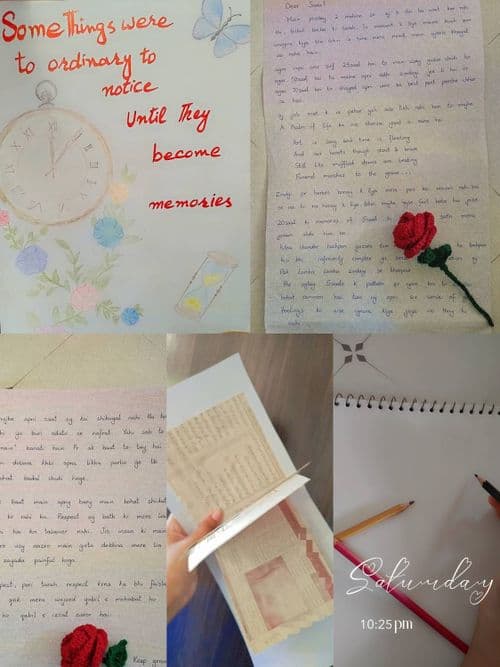
I painted something today and realized it didn't turn out well at all 😅 Then I wrote a letter to myself. Right after, I felt like I should write one to my future husband too and I actually ended up writing a letter to a total stranger! 🤣 No, it's not a love letter it's just pure, unfiltered childishness 😂
But honestly the bigger act of "childishness" is that I keep giving myself gifts both tangible and intangible. 🎁 I can't share all of them but I'll definitely share some of the wondrous
If possible do share one thing you didn't know at my age but wish you had or something that would be beneficial for me right now. 🌿
Happy Birthday to me! 🥳🎂
May Allah bless me with health, safety, a long life full of faith, grant me righteous offspring, bless me with His closeness, give me the best life partner and may we be even more enthusiastic about each other's happiness. Amen. 🤲
As for the rest of the prayers, I'll leave them up to you! 🤭
@Fari1khan
A little patience in times of anger saves you from a hundred days of regret🌸💫
@Fari1khan
Turn your anxiety into Dua🌿
@I6five98
Does anyone have their shadi in this year?😁hmari to nai horahi, I thought let’s ask the Jamaa gang 😎!
Single or taken? Or about to be married?😁
@faisalandyou
If someone wanted to earn your trust...
what would they have to do consistently?
@Fari1khan
What is meant for you will never miss you, and what misses you was never meant for you.🌷🌷
@Reaz56669141
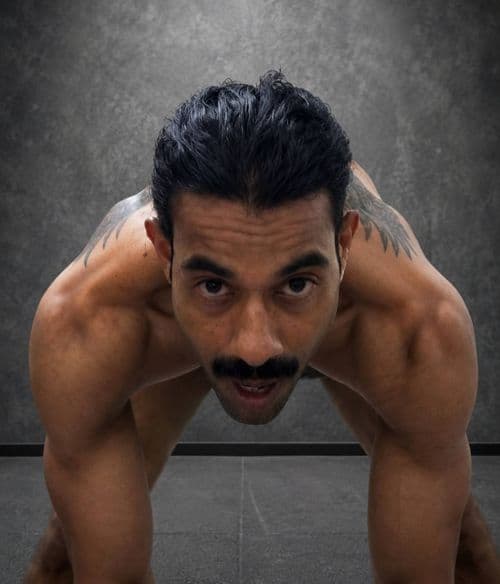
Workout time 🤣
@imfarhankhan
I'm bored. Let's play. Tell me something you'd like me to say on a voice note.
@anum10
Need your duas 🤍
I've not been feeling well for the past four days. Please remember me in your prayers.
Nazr (the evil eye) is real, and whatever the reason behind this illness, I believe every hardship comes by the will of ALLAH and every cure is from Him.
Please make dua that Sweet ALLAH grants me complete shifa, protects all of us from the evil eye, and keeps us in His mercy. Aameen.
Don't forget to say Masha ALLAH whenever you admire someone's blessings. It costs nothing, but your dua can mean everything.
Jazak ALLAH
A N U M🥀