
Converts / Reverts
1,529,752 members
Alhamdulillah for new beginnings 🕋🤝 Whether you're new to Islam or seeking guidance, here we share experiences, offer resources, and foster a sense of belonging on your unique journey as a convert.
@SiddJ
https://youtu.be/bZ94l0Elx7w?si=5zd_XIjty2GA7_FS
Allah Loves Those Who Return Him Repentance: Part 1
Doctor Fahim
South Woodford Islamic Centre
@Nina_N
What's your conversion story in short,maybe we'll find some similar ones.
@3OmarZayed
Some people write Arabic using English letters, but the absence of many letters becomes the main obstacle.
So they got substituted with numbers instead. It serves as a good guide on letters to focus on in the beginning to be able to hear and read Arabic.
2= ء
3= ع
4=ش
5= خ
6= ط
6' = ظ
7= ح
8= غ
9= ص
9' = ض
@An1111
The viral one :
Get married while you're still young. The older u get, the wiser u become, and wise people don't get married.
Hahahha
@MISSCHAYMA1
Oh God make closer what is good for me !Amin
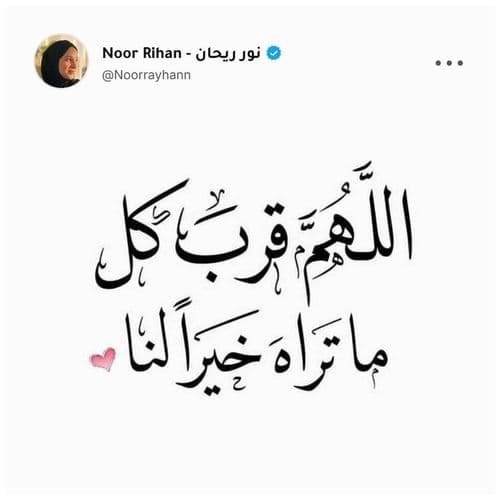
@ariellyis
Just told my grandma who raised me I reverted to Islam and she (heavy Christian) said Amen & that she loves me even more 🥹🌷. Now onto the rest of the family.
@SiddJ
- The virtues of reciting Surah Al-Kahf
Two particularly well-known practices are associated with the surah.
Reciting it on Friday: Narrations reported by scholars including Al-Hakim and Al-Bayhaqi describe a light for someone who recites Surah Al-Kahf on Friday. Scholars have discussed the authenticity and grading of the different narrations.
Memorising the first ten verses: Sahih Muslim records a narration in which the Prophet Muhammad ﷺ taught that memorising the first ten verses of Surah Al-Kahf provides protection from the trial of the Dajjal. Another narration mentions the last ten verses.
Reading the surah with reflection is valuable because it allows its lessons to influence your choices and conduct.
- How to apply Surah Al-Kahf in everyday life
Here are five practical ways to put its teachings into practice.
Strengthen your faith
Maintain your prayers, read the Qur’an and make du'a when you face uncertainty.
Be patient without becoming passive
Accept what cannot be changed, but take reasonable steps to improve what can.
Practise gratitude
Appreciate the blessings you have without giving up on reasonable hopes for a better future.
Treat others fairly
Do not allow disappointment or anger to lead you into dishonesty, cruelty or injustice.
Make decisions with faith and reason
Seek trustworthy advice, consider practical consequences, pray istikhara when appropriate and ask Allah to guide you towards what is best.
- A supplication from Surah Al-Kahf
One of the most meaningful prayers in the surah is the supplication of the People of the Cave, in verse 10.
رَبَّنَا آتِنَا مِن لَّدُنكَ رَحْمَةً وَهَيِّئْ لَنَا مِنْ أَمْرِنَا رَشَدًا
Transliteration
Rabbana atina min ladunka rahmatan wa hayyi' lana min amrina rashada.
Meaning in English
“Our Lord, grant us mercy from Yourself and guide us rightly through our affair.”
You can use this du'a when seeking guidance in difficult circumstances, making an important decision or asking Allah to show you a sound way forward.
Final reflection
Surah Al-Kahf teaches us that faith may be tested, blessings may disappear, knowledge may be incomplete and power may be temporary. Yet a believer can continue to seek Allah's guidance, act with integrity and pursue what is good.
It does not tell us that every disappointment is secretly a blessing or that we must accept unfair treatment without taking action. Instead, it teaches us to combine patience with effort, trust with sound judgement, and faith with righteous conduct.
The most important lesson is to remain sincere to Allah while continuing to live responsibly, learn from experience and seek what is good in this life and the Hereafter.
May Allah grant you patience, clarity, peace of heart and guidance towards what is best for you. Ameen.
@SiddJ
Surah Al-Kahf encourages humility about what we cannot know. It does not promise that every disappointment will eventually produce the exact outcome we wanted, or that we can identify Allah's specific reason for it.
The practical response is to grieve what has been lost, learn from experience, take responsible steps forward and continue asking Allah for guidance.
6. Dhul-Qarnayn: Justice, responsibility and using power well
Verses 83–98
The Qur’an describes Dhul-Qarnayn, a ruler who travelled to different regions and exercised authority. When he encountered a community threatened by the corruption of Ya'juj and Ma'juj (Gog and Magog), he helped them construct a barrier using iron and molten copper.
During his travels, he encountered a community threatened by the corruption of Ya'juj and Ma'juj, known in English as Gog and Magog. He helped the people construct a barrier using iron and molten copper.
Dhul-Qarnayn did not claim that his achievement made him independent of Allah. He acknowledged that the barrier was a mercy from his Lord and that it would eventually be brought down when Allah's promise came.
Lessons from this narrative
Power should be used justly.
Leadership is a responsibility, not an unlimited right to control other people
Help those who are vulnerable.
Dhul-Qarnayn used his abilities to protect a community facing a threat.
Trust in Allah and practical effort belong together.
The barrier required planning, resources and cooperation. Faith does not mean waiting passively for problems to disappear.
Remain humble when you succeed.
Dhul-Qarnayn acknowledged Allah's mercy instead of boasting about his own power.
These principles apply to family life, marriage and community relationships. A person with influence should use it responsibly, respecting the rights and dignity of others.
- The final verses: Sincerity in worship and good deeds
Verses 99–110
The surah concludes by returning to the Day of Judgement and the consequences of disbelief. Allah describes those whose efforts in worldly life are misguided, even though they believe they are doing good.
The final verse states, in meaning:
“So whoever hopes to meet his Lord, let him do righteous deeds and associate no one in the worship of his Lord.” — Qur’an 18:110.
What does this teach us?
• Sincerity matters. Seek Allah's pleasure rather than acting only for praise or recognition.
• Faith should influence your behaviour. Worship must be accompanied by honesty, fairness, kindness and responsibility
• Do not judge your success only by worldly achievements. The most important measure is your relationship with Allah and the deeds you bring to the Hereafter.
• Keep improving. Seek forgiveness for mistakes, learn from experience and continue doing good.
The surah ends by reminding believers that sincere faith and righteous action belong together.
@Mujaahid
I love Allah and His Messenger may Gods peace and blessings be upon him, and I love you. The Muslim reading this post. As salaamu alaykum brother! You pray like I pray fast like I fast and wanna goto the same Jannah I wanna goto. May Allah give us Jannah ameen!