
Converts / Reverts
1,529,555 members
Alhamdulillah for new beginnings 🕋🤝 Whether you're new to Islam or seeking guidance, here we share experiences, offer resources, and foster a sense of belonging on your unique journey as a convert.
@Angel245
I have question , I just downloaded this app from 2 days ago so I still don’t know many things
My question : can I block specific country ??
@SiddJ
https://youtube.com/shorts/MW6jxhvJ44U?si=7W1sA3MZ_wxANEZ1
How I discovered Islam #shorts
@radaa5223
kafakira faraxada dadaka kale ilali ana dhawacina ❤️🫂
@ConcreteRose420
Casual clothes

@AYOUB66289350
Oh Allah grant me well-being, and cover me with Your Mercy Amen
@SiddJ
https://youtube.com/shorts/2ivaIF6wmg0?si=DRfnxiOvf0K-Z4NS
Young woman gives 3 reasons as to why she reverted to Islam #shorts
@elegantme318
Today’s Du’a
Ya Allah, bless me with the things my heart keeps asking You for, even the ones I can no longer find
the words to explain.
Open the doors I have waited so long to enter, and replace every delayed answer with blessings
greater than I ever imagined.
Ameen Ya’Rabil’Alameen Ya Hayyu Ya Qayyum.
@angelica238983
How did you know you were actually blessed instead of suffering?
@Azariah317
Assalamu Alaykum my brothers and sisters a word for those of you going through the struggle always remember Allah is the best disposer of affairs return to salah with trust in Allah
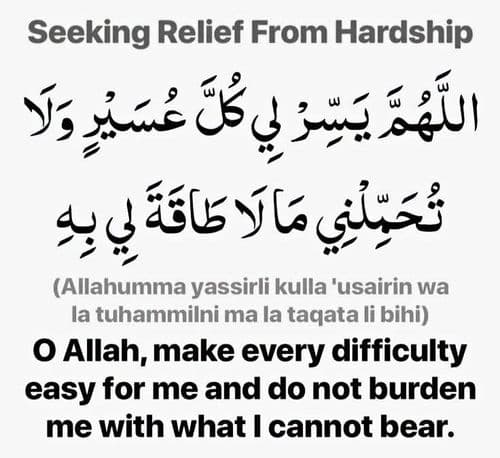
@SiddJ
In Islam, a casual romantic or sexual relationship outside marriage is generally not permitted. Islam distinguishes between ordinary interaction with the opposite *** and a relationship involving romantic intimacy.
What Islam permits
A man and woman who are not married to each other can communicate for legitimate purposes—such as work, education, community matters, or getting to know one another with the intention of marriage—while maintaining appropriate boundaries.
If two people are considering marriage, Islam allows them to learn about each other’s:
• Character and religious practice
• Values and expectations
• Family circumstances
• Compatibility
• Plans for marriage and living arrangements
Ideally, the process should be purposeful rather than an indefinite romantic relationship.
What is generally prohibited
A “casual relationship” involving things such as:
• Dating as boyfriend and girlfriend
• Sexual or physically intimate contact
• Sexual conversations or exchanging intimate images
• Being alone together in circumstances of khalwah
• An emotionally or romantically intimate relationship with no intention of marriage
would conflict with Islamic boundaries.
The Qur’an says:
“Do not approach unlawful sexual intercourse. Indeed, it is ever an immorality and is evil as a way.”
Qur’an 17:32
Qur’an 17:32 — Surah Al-Isra (The Night Journey)
“And do not approach unlawful sexual intercourse. Indeed, it is ever an immorality and is evil as a way.”
- What does this verse mean?
Allah instructs Muslims not only to avoid zina (unlawful sexual intercourse), but also to avoid behaviours and circumstances that may lead towards it.
The verse establishes that sexual intimacy belongs within the lawful framework of marriage in Islam.
- How does this apply to casual relationships?
The verse is relevant to relationships outside marriage, including situations where two people are romantically interested in one another.
• Casual relationships: A relationship involving sexual intimacy outside marriage is prohibited.
• Getting to know someone: A man and woman may communicate for the genuine purpose of considering marriage, while observing Islamic boundaries.
• Emotional attachment: Having feelings for someone is not, by itself, a sin. However, deliberately pursuing prohibited intimacy or conduct that leads towards zina should be avoided
• Marriage intentions: If two people are serious about marriage, they should discuss their expectations, values, religious commitment and compatibility respectfully.
The verse does not mean that every conversation between an unmarried man and woman is forbidden. The purpose, nature and boundaries of the interaction matter.
-
What lessons can Muslims learn?
-
Protect your faith: Avoid situations that may gradually lead you into conduct prohibited by Allah.
-
Be sincere about your intentions: Do not mislead someone by suggesting that you intend to marry them if you only want a casual relationship
-
Respect one another: A prospective spouse deserves honesty, dignity and clear communication
-
Choose a lawful path to companionship: Islam recognises the desire for love, affection and emotional closeness, and provides marriage as the lawful framework for these needs
How does this relate to finding a future wife?
If your intention is to find a practising Muslim woman for marriage, you can communicate with her to establish compatibility without entering a boyfriend-and-girlfriend relationship
You can discuss your expectations of marriage, including faith, kindness, commitment, financial responsibilities, disability and future living arrangements, while maintaining appropriate boundaries.
The central lesson of Qur’an 17:32 is to avoid the paths that lead towards unlawful sexual intimacy and to seek a relationship in a way that pleases Allah
The important point is that Islam doesn’t merely prohibit zina itself; it also instructs Muslims to avoid circumstances and behaviours that can lead towards it.
If someone wants companionship
Wanting companionship, affection and emotional closeness is not itself wrong. These are among the purposes of marriage. Islam provides a lawful framework for those needs through nikah rather than casual relationships.
Therefore a healthier Islamic approach is “getting to know someone for marriage” rather than entering a casual relationship and seeing where it goes.